
As the global climate continues to undergo unprecedented changes, the rise in average global temperatures increases the threat of heat stress (Climate Risk Index 2025: Germanwatch). Caused by extended periods of high temperatures and humidity, heat stress poses multifaceted challenges that transcend geographical boundaries, affecting vulnerable populations, ecosystems, labour productivity, and economic stability.

With a population of 22 million (Department of Census & Statistics, 2024), Sri Lanka has a tropical climate characterized by significant regional variation with two primary monsoon seasons. While the central highlands remain a cooler refuge, the coastal lowlands, including the capital Colombo, frequently see temperatures rise above 30°C (Perera & Perera, 2025).
In Sri Lanka, warming trends and increasing temperature extremes have been observed over the past decades, particularly in the western, northern, and eastern parts of the country, where there have been more hot days and warm nights, as well as a decline in cooler weather. Extreme heat, fuelled by climate change, is emerging as a major obstacle for communities in these regions, jeopardising their wellbeing and traditional livelihoods in agriculture and cottage industries such as handloom textiles, batik, beeralu lace, pottery and ceramics.
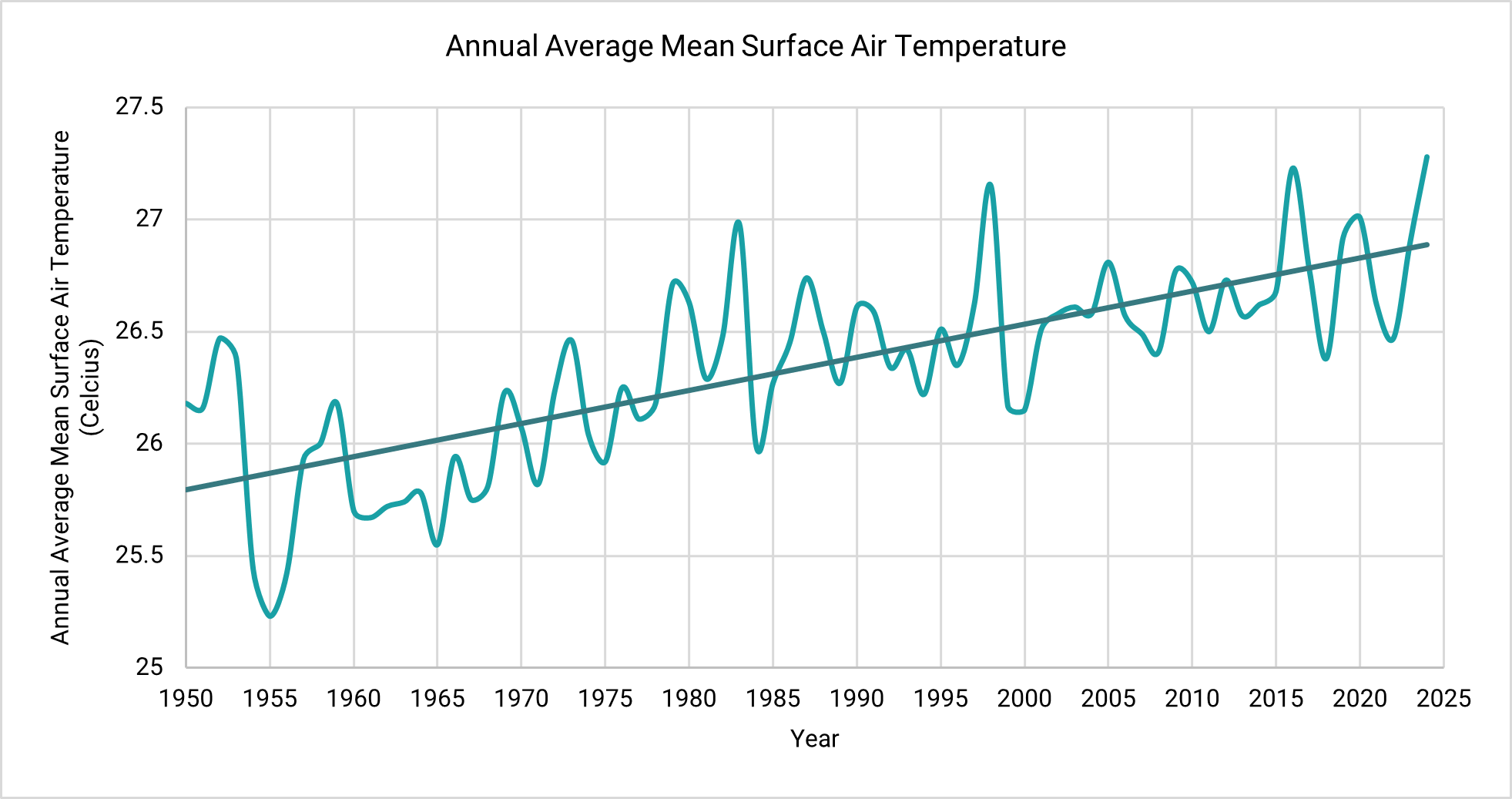
The IPCC Sixth Assessment Report (IPCC AR6, 2023) concluded that heat stress in South Asia will become more intense and frequent during the twenty-first century. As temperatures surge to unprecedented heights due to climate change, the implications for public health become increasingly pronounced.
One of the most direct and immediate impacts is the surge in heat-related illnesses, encompassing a spectrum that ranges from discomfort to life-threatening conditions such as heatstroke. These impacts are already evident in Sri Lanka during prolonged dry spells and heatwaves, especially in urban areas like Colombo, where high population density and limited green spaces exacerbate the risk (Ministry of Health, Nutrition & Indigenous Medicine, 2024).
In addition to immediate health impacts, extreme heat also affects livelihoods and income generation. Outdoor workers, such as labourers, vendors, and construction workers, face heightened risks of heat-related illnesses and reduced productivity. Extreme heat can slow down economic activities and impact livelihoods, especially for those who rely on manual labour. In addition, the psychological toll of constant discomfort, sleep disturbances and anxiety further compound the overall impact of heat stress on human lives.
SLYCAN Trust has undertaken two case studies in distinct parts of Sri Lanka to contribute to an enhanced understanding of the impacts of rising temperatures on vulnerable communities and livelihoods in two districts of Sri Lanka: Urban informal settlements in Colombo and rural handloom workers in Marathamunai, Ampara. Both of these case studies highlight how temperature rise and extreme heat pose a growing socioeconomic challenge, affecting productivity, income security, and wellbeing in urban as well as rural contexts.
Case study 1: Urban heat exposure in Colombo’s informal settlements
In urban areas such as Colombo, rising temperatures are further intensified by the urban heat island effect. Dense infrastructure, limited green spaces, and extensive concrete surfaces make Colombo significantly warmer than its surrounding regions. While historical data shows a much milder climate, recent records from 2024 indicate that daily maximum temperatures in Colombo have risen to 36°C, consistently staying 3°C above previous averages (Perera & Fernando, 2025). Research from 2023 indicates that Colombo faces year-round heat stress, with conditions never reaching a "comfortable" level according to the index. This persistent discomfort is wet-bulb globe temperature (WBGT) driven by temperatures consistently exceeding 27°C combined with high humidity levels ranging from 75% to 84% (Jayawardena et al., 2018).
Based on this case study, extreme heat has a profound impact on communities in Colombo. Findings indicate that the majority of surveyed households reside in small dwellings consisting of only one or two rooms (Madurasinghe et al., 2023). The structural composition of these houses acts as a primary heat trap, with many households using asbestos sheets for roofing, while others rely on galvanized iron/tin sheets. As these materials absorb and radiate intense heat, most residents report that rising temperatures disproportionately affect vulnerable family members, including children and the elderly.
Economically, extreme heat acts as a significant disruptor to the financial stability of residents, many of whom earn low monthly incomes. This creates a vicious cycle: while heat reduces their ability to work and earn, it simultaneously increases household expenses. To cope with thermal discomfort, families are compelled to spend more on electricity and water. However, this becomes particularly challenging for lower-income households, further exacerbating their financial strain.
The health impacts of extreme heat are both widespread and persistent across Colombo. Surveyed residents reported a range of heat-induced symptoms, with the majority experiencing excessive fatigue and frequent headaches. Additionally, some individuals report skin rashes and allergies, while others suffer from heat cramps. Beyond these physical effects, the data highlights a critical gender and social disparity. Many residents, especially women and outdoor workers, face heightened health risks due to limited access to clean water and sanitation facilities, often reducing water intake to avoid using unhygienic conditions, which can lead to dehydration.
The case study also reveals a significant gap between the reality of extreme heat and the institutional support available to citizens. While a vast majority of households expressed deep concern over increasing heat, existing public warnings often fail to reach or help those who need them most. The findings show that lower income families suffer from a lack of cooling facilities or accessible green spaces. Furthermore, the reliance on passive cooling remains high because formal cooling options are financially out of reach for the majority. These results underscore an urgent need for heat action planning that provides tangible solutions for low-income households.
As Colombo continues to experience rising temperatures, there is an urgent need to strengthen urban resilience to heat stress through inclusive strategies. This includes investing in green spaces such as parks and wetlands to reduce urban heat, improving public infrastructure like shaded rest areas and water access for outdoor workers, and ensuring that these facilities are accessible to all, especially vulnerable groups. At the same time, expanding access to adaptation finance and involving communities in decision-making will be critical to ensuring that solutions are sustainable, equitable, and effective in addressing the growing impacts of extreme heat.

Case study 2: Rural heat exposure of small handloom businesses in Maruthamunai
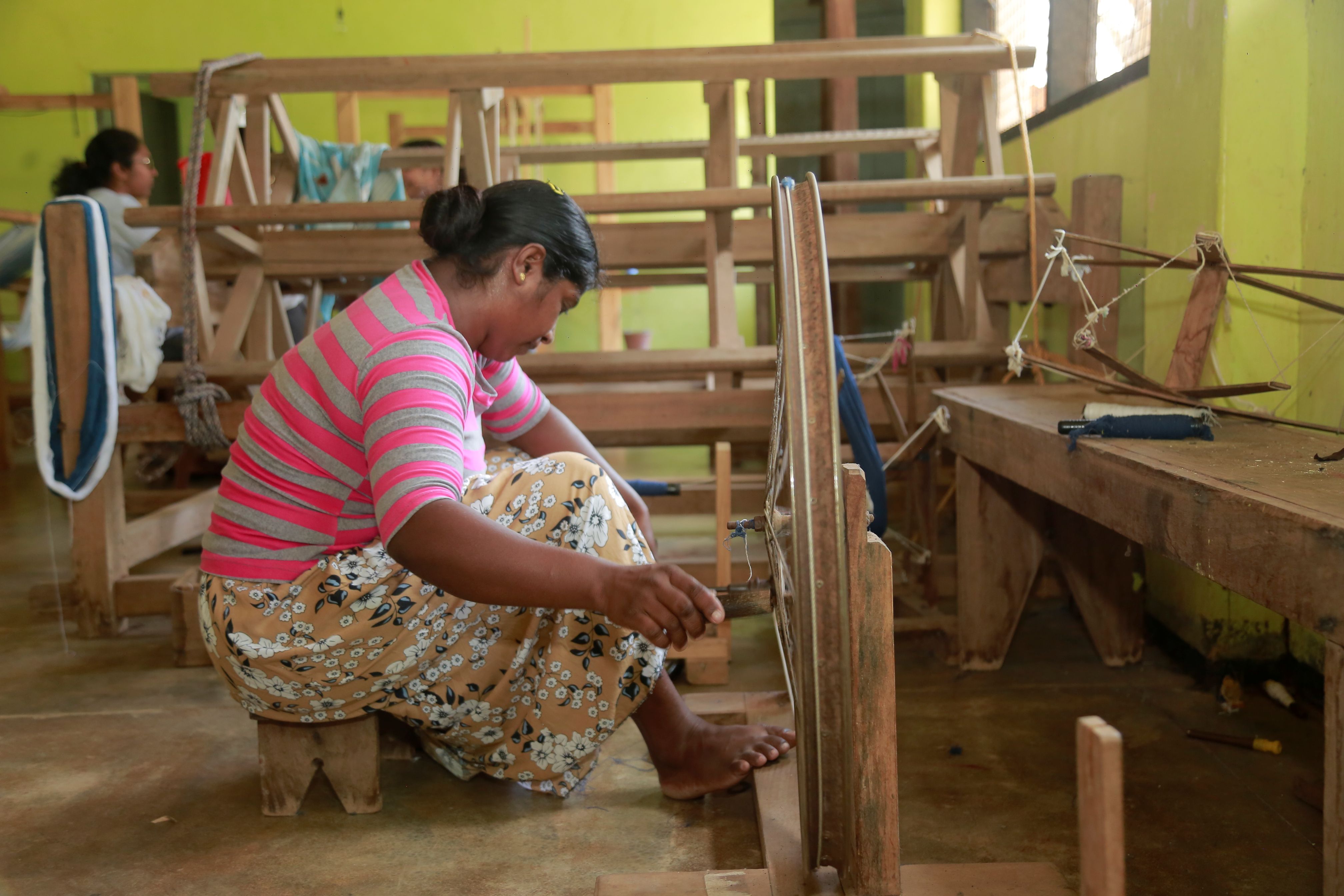
The handloom sector in Maruthamunai is a vital traditional industry with deep historical roots dating back to the 18th century, and is today facing a severe threat from escalating heat stress. Maruthamunai is located in the Ampara District of the Eastern Province, north of Kalmunai DS division. The average annual daytime temperature is approximately 31.7°C, with peak rainfall occurring between October and March during the northeast monsoon. In Maruthamunai, handloom production is typically carried out in home-based or small workshop environments, where workers spend long hours operating manual looms.
The case study found that extreme heat has become a significant disruptor of traditional work cycles in the handloom sector, particularly during the seasonal temperature spikes observed from April to July. During these peak periods, extreme heat often forces weavers to reduce their total working hours to avoid physical strain. The study reveals a steady upward trajectory in WBGT, which incorporates air temperature and humidity to assess physiological strain. Based on the WBGT analysis, peak stress conditions occur between April and July, with values frequently exceeding the threshold of 31°C associated with severe heat stress, discomfort, and a higher risk of heat exhaustion (SLYCAN Trust, 2025).
A majority of surveyed workers reported frequent exposure to excessive heat, which is intensified by workplaces typically constructed with heat-retaining metal roofing and ineffective ventilation. This environment leads to a high level of excessive indoor temperatures, forcing weavers to endure long hours of manual labour with minimal air movement. Based on the results, overcrowded and poorly ventilated workspaces remain a concern, with 59% of respondents citing congestion and 67% reporting limited airflow. Additionally, only 36% of surveyed workers had access to natural ventilation, and 23% used electric fans. Owing to unreliable electricity supply and high costs, 19% relied on passive cooling strategies such as working in shaded outdoor areas. Air conditioning was virtually nonexistent, with only 3% reporting access. Only 59% had water within their workshops, while 26% stepped outside to collect it, 11% used public taps, and 4% fetched water from wells. Consequently, workers report a high incidence of health issues such as excessive sweating (29%), difficulty in concentrating (23%), and headaches (17%), all of which directly diminish wellbeing and productivity.
Beyond the immediate physical discomfort, the report highlights critical socioeconomic and gender-specific vulnerabilities that hinder resilience. Handloom MSMEs often operate with narrow profit margins, making it financially difficult to invest in adaptation measures such as energy-efficient cooling, especially given the rising costs of electricity. Furthermore, women in the workforce face unique burdens: cultural norms such as avoiding shared toilets due to privacy concerns or feeling unable to take breaks, combined with inadequate access to safe sanitation often lead them to limit water intake, significantly increasing their risk of dehydration and heat-related illness. The convergence of an aging workforce and these systemic barriers underscores the need for targeted capacity-building, improved healthcare access, and inclusive policies to ensure the industry’s survival.

Table 1: Comparison of impacts of extreme heat on urban informal and rural handloom communities
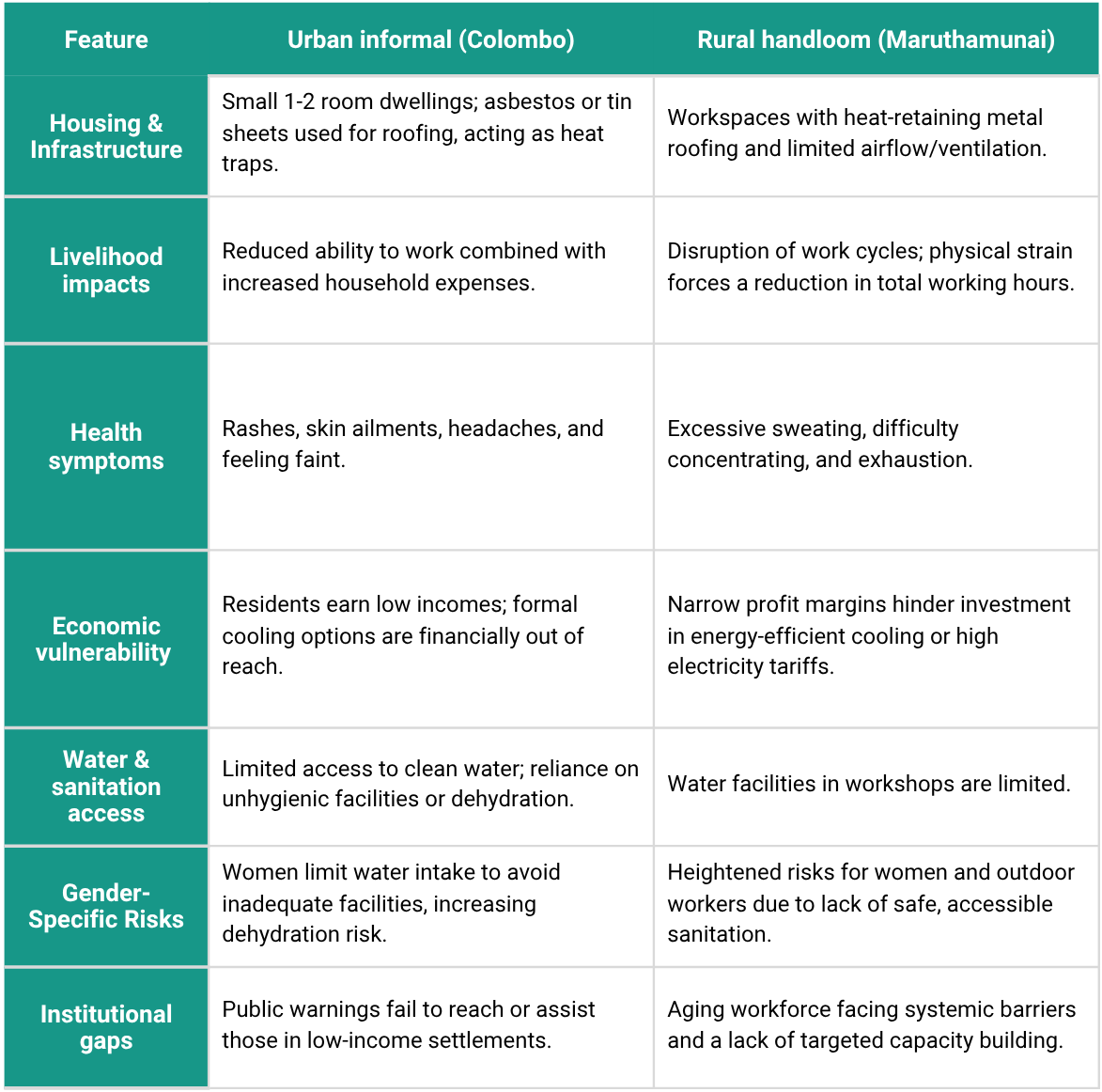
Extreme heat creates a dangerous heat trap for both communities in urban informal settlements in Colombo and rural handloom weavers in Maruthamunai. This environment forces a difficult choice between health and livelihoods, as physical strain and exhaustion lead to reduced working hours and diminished incomes for already vulnerable families. Furthermore, the lack of adequate infrastructure and safe sanitation creates specific risks for women, who often limit their water intake and thereby exacerbate the danger of dehydration. Ultimately, both communities face systemic barriers where narrow profit margins and a lack of targeted institutional support prevent them from accessing the cooling solutions necessary to survive rising temperatures.
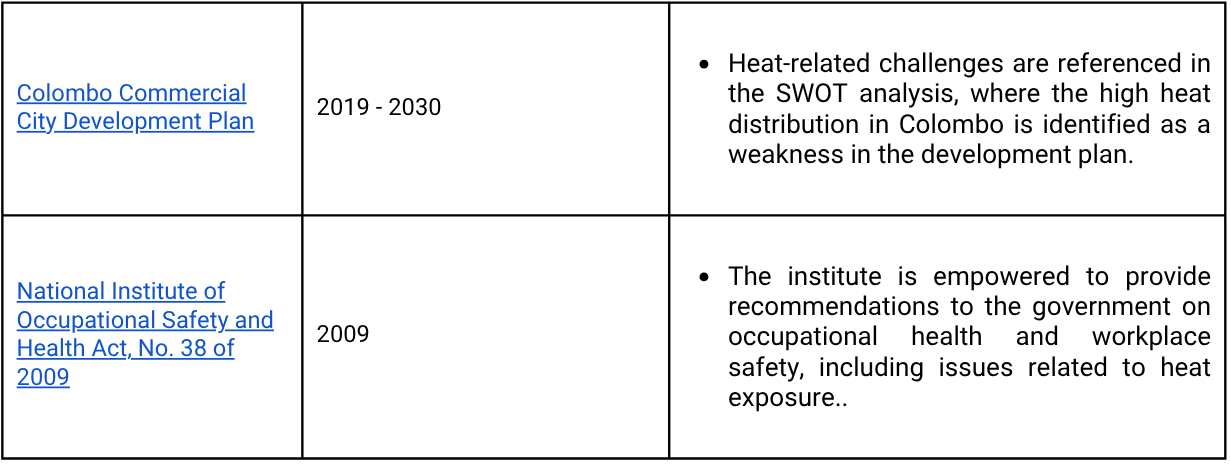
Sri Lanka’s existing climate and labour policies provide a partial foundation for addressing heat stress, while global frameworks highlight the growing urgency of heat-related risks. However, these frameworks tend to address heat stress indirectly, with limited integration across sectors such as health, labour, and urban planning. The table below outlines key policies and legal frameworks in Sri Lanka that are relevant to heat stress impacts. Nevertheless, there remains a significant gap in policy integration and coordination needed to effectively address heat stress in a comprehensive manner.
Table 2: Analysis of relevant policies and laws in Sri Lanka related to heat stress
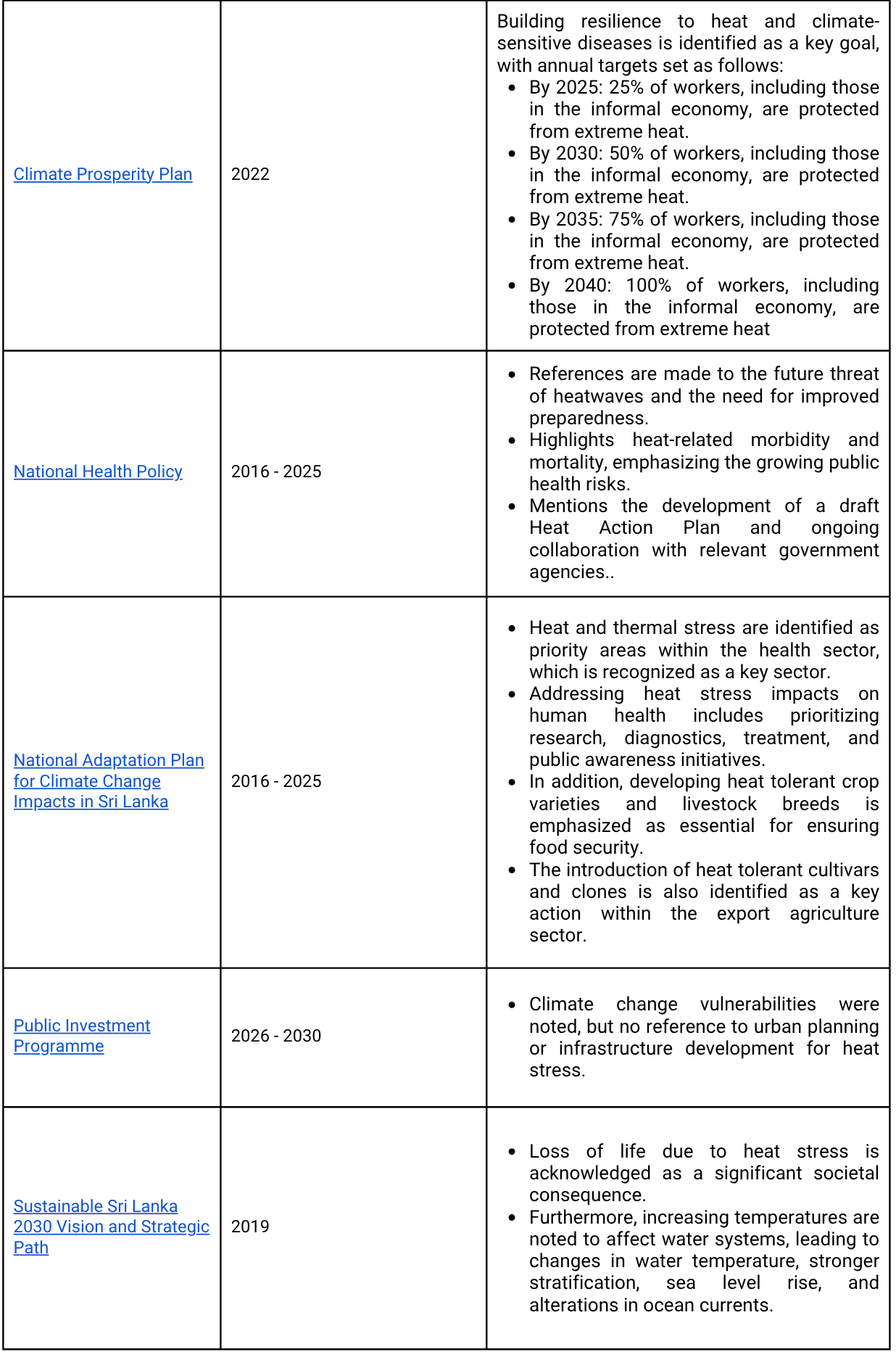
Even though heat-related aspects are integrated within Sri Lanka's existing policy environment, heat stress is not addressed in a holistic manner. The two case studies conducted by SLYCAN Trust have identified the following gaps and opportunities in this regard:
Based on the stakeholder engagement, surveys, and policy analysis by SLYCAN Trust, there are opportunities for Sri Lanka to transition from reactive measures to proactive and structural policy interventions on heat stress. These opportunities include implementing integrated urban and rural climate resilience strategies that move beyond awareness or education. A main policy recommendation is the development of comprehensive Heat Action Plans that coordinate responses across key stakeholders within the climate change, health, urban planning, MSMEs, and disaster management sectors. These plans provide the necessary institutional framework to move beyond simple awareness-raising toward integrated climate resilience strategies that protect both urban and rural populations.
Additionally, cooling interventions and green infrastructure technologies could be utilised to actively reduce the urban heat island effect. By launching strategic tree planting campaigns and mandating reflective, cool roofing materials, cities such as Colombo could actively reduce the urban heat island effect. Furthermore, enhancing water infrastructure and establishing dedicated cooling centers could provide a vital safety net for vulnerable populations who currently lack the financial means to access private cooling.
Equally critical is the need for capacity-building and community-based empowerment to bridge the existing gap in heat health literacy. Government policies should focus on integrating heat stress management into healthcare professional training and school curricula, ensuring that the signs and symptoms of heat-related illnesses are recognized early. Leveraging the influence of local authorities and municipal councils, religious institutions, and CSOs can help disseminate multilingual information materials that bypass language barriers to reach diverse demographics. Furthermore, conducting regular vulnerability assessments and community-based surveys will allow authorities to develop customised interventions for targeted communities. By strengthening the capacity of public health workers and providing residents with first aid knowledge, Sri Lanka can transition from a reactive approach to a proactive, climate resilient framework that protects both the urban workforce and traditional rural sectors.
As Sri Lanka continues to face rising temperatures, addressing heat stress should be a key priority within both the climate and development agendas. The experiences of urban informal settlement dwellers in Colombo and rural handloom communities in Maruthamunai highlight how extreme heat is already shaping livelihoods, productivity, and wellbeing in different but interconnected ways. Moving forward, there is a clear need for integrated, inclusive, and context-specific adaptation strategies that protect vulnerable workers and strengthen economic resilience at the same time.
Mayantha Madurasinghe works as the Assistant Manager, Programme and Finance at SLYCAN Trust. He is involved in thematic areas such as food systems, human mobility, loss and damage and youth. Mayantha has represented SLYCAN Trust in various forums, including the Conference of Parties of the UNFCCC in Egypt and UAE, and the Bonn Climate Change Conference 2023. He holds a BSc (hons) in Biotechnology from Nilai University Malaysia, and his extensive experience in the environmental field has led him to publish several research publications at various symposia.

As the global climate continues to undergo unprecedented changes, the rise in average global temperatures increases the threat of heat stress (Climate Risk Index 2025: Germanwatch). Caused by extended periods of high temperatures and humidity, heat stress poses multifaceted challenges that transcend geographical boundaries, affecting vulnerable populations, ecosystems, labour productivity, and economic stability.
With a population of 22 million (Department of Census & Statistics, 2024), Sri Lanka has a tropical climate characterized by significant regional variation with two primary monsoon seasons. While the central highlands remain a cooler refuge, the coastal lowlands, including the capital Colombo, frequently see temperatures rise above 30°C (Perera & Perera, 2025).
In Sri Lanka, warming trends and increasing temperature extremes have been observed over the past decades, particularly in the western, northern, and eastern parts of the country, where there have been more hot days and warm nights, as well as a decline in cooler weather. Extreme heat, fuelled by climate change, is emerging as a major obstacle for communities in these regions, jeopardising their wellbeing and traditional livelihoods in agriculture and cottage industries such as handloom textiles, batik, beeralu lace, pottery and ceramics.
The IPCC Sixth Assessment Report (IPCC AR6, 2023) concluded that heat stress in South Asia will become more intense and frequent during the twenty-first century. As temperatures surge to unprecedented heights due to climate change, the implications for public health become increasingly pronounced.
One of the most direct and immediate impacts is the surge in heat-related illnesses, encompassing a spectrum that ranges from discomfort to life-threatening conditions such as heatstroke. These impacts are already evident in Sri Lanka during prolonged dry spells and heatwaves, especially in urban areas like Colombo, where high population density and limited green spaces exacerbate the risk (Ministry of Health, Nutrition & Indigenous Medicine, 2024).
In addition to immediate health impacts, extreme heat also affects livelihoods and income generation. Outdoor workers, such as labourers, vendors, and construction workers, face heightened risks of heat-related illnesses and reduced productivity. Extreme heat can slow down economic activities and impact livelihoods, especially for those who rely on manual labour. In addition, the psychological toll of constant discomfort, sleep disturbances and anxiety further compound the overall impact of heat stress on human lives.
SLYCAN Trust has undertaken two case studies in distinct parts of Sri Lanka to contribute to an enhanced understanding of the impacts of rising temperatures on vulnerable communities and livelihoods in two districts of Sri Lanka: Urban informal settlements in Colombo and rural handloom workers in Marathamunai, Ampara. Both of these case studies highlight how temperature rise and extreme heat pose a growing socioeconomic challenge, affecting productivity, income security, and wellbeing in urban as well as rural contexts.
Case study 1: Urban heat exposure in Colombo’s informal settlements
In urban areas such as Colombo, rising temperatures are further intensified by the urban heat island effect. Dense infrastructure, limited green spaces, and extensive concrete surfaces make Colombo significantly warmer than its surrounding regions. While historical data shows a much milder climate, recent records from 2024 indicate that daily maximum temperatures in Colombo have risen to 36°C, consistently staying 3°C above previous averages (Perera & Fernando, 2025). Research from 2023 indicates that Colombo faces year-round heat stress, with conditions never reaching a "comfortable" level according to the index. This persistent discomfort is wet-bulb globe temperature (WBGT) driven by temperatures consistently exceeding 27°C combined with high humidity levels ranging from 75% to 84% (Jayawardena et al., 2018).
Based on this case study, extreme heat has a profound impact on communities in Colombo. Findings indicate that the majority of surveyed households reside in small dwellings consisting of only one or two rooms (Madurasinghe et al., 2023). The structural composition of these houses acts as a primary heat trap, with many households using asbestos sheets for roofing, while others rely on galvanized iron/tin sheets. As these materials absorb and radiate intense heat, most residents report that rising temperatures disproportionately affect vulnerable family members, including children and the elderly.
Economically, extreme heat acts as a significant disruptor to the financial stability of residents, many of whom earn low monthly incomes. This creates a vicious cycle: while heat reduces their ability to work and earn, it simultaneously increases household expenses. To cope with thermal discomfort, families are compelled to spend more on electricity and water. However, this becomes particularly challenging for lower-income households, further exacerbating their financial strain.
The health impacts of extreme heat are both widespread and persistent across Colombo. Surveyed residents reported a range of heat-induced symptoms, with the majority experiencing excessive fatigue and frequent headaches. Additionally, some individuals report skin rashes and allergies, while others suffer from heat cramps. Beyond these physical effects, the data highlights a critical gender and social disparity. Many residents, especially women and outdoor workers, face heightened health risks due to limited access to clean water and sanitation facilities, often reducing water intake to avoid using unhygienic conditions, which can lead to dehydration.
The case study also reveals a significant gap between the reality of extreme heat and the institutional support available to citizens. While a vast majority of households expressed deep concern over increasing heat, existing public warnings often fail to reach or help those who need them most. The findings show that lower income families suffer from a lack of cooling facilities or accessible green spaces. Furthermore, the reliance on passive cooling remains high because formal cooling options are financially out of reach for the majority. These results underscore an urgent need for heat action planning that provides tangible solutions for low-income households.
As Colombo continues to experience rising temperatures, there is an urgent need to strengthen urban resilience to heat stress through inclusive strategies. This includes investing in green spaces such as parks and wetlands to reduce urban heat, improving public infrastructure like shaded rest areas and water access for outdoor workers, and ensuring that these facilities are accessible to all, especially vulnerable groups. At the same time, expanding access to adaptation finance and involving communities in decision-making will be critical to ensuring that solutions are sustainable, equitable, and effective in addressing the growing impacts of extreme heat.
Case study 2: Rural heat exposure of small handloom businesses in Maruthamunai
The handloom sector in Maruthamunai is a vital traditional industry with deep historical roots dating back to the 18th century, and is today facing a severe threat from escalating heat stress. Maruthamunai is located in the Ampara District of the Eastern Province, north of Kalmunai DS division. The average annual daytime temperature is approximately 31.7°C, with peak rainfall occurring between October and March during the northeast monsoon. In Maruthamunai, handloom production is typically carried out in home-based or small workshop environments, where workers spend long hours operating manual looms.
The case study found that extreme heat has become a significant disruptor of traditional work cycles in the handloom sector, particularly during the seasonal temperature spikes observed from April to July. During these peak periods, extreme heat often forces weavers to reduce their total working hours to avoid physical strain. The study reveals a steady upward trajectory in WBGT, which incorporates air temperature and humidity to assess physiological strain. Based on the WBGT analysis, peak stress conditions occur between April and July, with values frequently exceeding the threshold of 31°C associated with severe heat stress, discomfort, and a higher risk of heat exhaustion (SLYCAN Trust, 2025).
A majority of surveyed workers reported frequent exposure to excessive heat, which is intensified by workplaces typically constructed with heat-retaining metal roofing and ineffective ventilation. This environment leads to a high level of excessive indoor temperatures, forcing weavers to endure long hours of manual labour with minimal air movement. Based on the results, overcrowded and poorly ventilated workspaces remain a concern, with 59% of respondents citing congestion and 67% reporting limited airflow. Additionally, only 36% of surveyed workers had access to natural ventilation, and 23% used electric fans. Owing to unreliable electricity supply and high costs, 19% relied on passive cooling strategies such as working in shaded outdoor areas. Air conditioning was virtually nonexistent, with only 3% reporting access. Only 59% had water within their workshops, while 26% stepped outside to collect it, 11% used public taps, and 4% fetched water from wells. Consequently, workers report a high incidence of health issues such as excessive sweating (29%), difficulty in concentrating (23%), and headaches (17%), all of which directly diminish wellbeing and productivity.
Beyond the immediate physical discomfort, the report highlights critical socioeconomic and gender-specific vulnerabilities that hinder resilience. Handloom MSMEs often operate with narrow profit margins, making it financially difficult to invest in adaptation measures such as energy-efficient cooling, especially given the rising costs of electricity. Furthermore, women in the workforce face unique burdens: cultural norms such as avoiding shared toilets due to privacy concerns or feeling unable to take breaks, combined with inadequate access to safe sanitation often lead them to limit water intake, significantly increasing their risk of dehydration and heat-related illness. The convergence of an aging workforce and these systemic barriers underscores the need for targeted capacity-building, improved healthcare access, and inclusive policies to ensure the industry’s survival.
Table 1: Comparison of impacts of extreme heat on urban informal and rural handloom communities
Extreme heat creates a dangerous heat trap for both communities in urban informal settlements in Colombo and rural handloom weavers in Maruthamunai. This environment forces a difficult choice between health and livelihoods, as physical strain and exhaustion lead to reduced working hours and diminished incomes for already vulnerable families. Furthermore, the lack of adequate infrastructure and safe sanitation creates specific risks for women, who often limit their water intake and thereby exacerbate the danger of dehydration. Ultimately, both communities face systemic barriers where narrow profit margins and a lack of targeted institutional support prevent them from accessing the cooling solutions necessary to survive rising temperatures.
Sri Lanka’s existing climate and labour policies provide a partial foundation for addressing heat stress, while global frameworks highlight the growing urgency of heat-related risks. However, these frameworks tend to address heat stress indirectly, with limited integration across sectors such as health, labour, and urban planning. The table below outlines key policies and legal frameworks in Sri Lanka that are relevant to heat stress impacts. Nevertheless, there remains a significant gap in policy integration and coordination needed to effectively address heat stress in a comprehensive manner.
Table 2: Analysis of relevant policies and laws in Sri Lanka related to heat stress
Even though heat-related aspects are integrated within Sri Lanka's existing policy environment, heat stress is not addressed in a holistic manner. The two case studies conducted by SLYCAN Trust have identified the following gaps and opportunities in this regard:
Based on the stakeholder engagement, surveys, and policy analysis by SLYCAN Trust, there are opportunities for Sri Lanka to transition from reactive measures to proactive and structural policy interventions on heat stress. These opportunities include implementing integrated urban and rural climate resilience strategies that move beyond awareness or education. A main policy recommendation is the development of comprehensive Heat Action Plans that coordinate responses across key stakeholders within the climate change, health, urban planning, MSMEs, and disaster management sectors. These plans provide the necessary institutional framework to move beyond simple awareness-raising toward integrated climate resilience strategies that protect both urban and rural populations.
Additionally, cooling interventions and green infrastructure technologies could be utilised to actively reduce the urban heat island effect. By launching strategic tree planting campaigns and mandating reflective, cool roofing materials, cities such as Colombo could actively reduce the urban heat island effect. Furthermore, enhancing water infrastructure and establishing dedicated cooling centers could provide a vital safety net for vulnerable populations who currently lack the financial means to access private cooling.
Equally critical is the need for capacity-building and community-based empowerment to bridge the existing gap in heat health literacy. Government policies should focus on integrating heat stress management into healthcare professional training and school curricula, ensuring that the signs and symptoms of heat-related illnesses are recognized early. Leveraging the influence of local authorities and municipal councils, religious institutions, and CSOs can help disseminate multilingual information materials that bypass language barriers to reach diverse demographics. Furthermore, conducting regular vulnerability assessments and community-based surveys will allow authorities to develop customised interventions for targeted communities. By strengthening the capacity of public health workers and providing residents with first aid knowledge, Sri Lanka can transition from a reactive approach to a proactive, climate resilient framework that protects both the urban workforce and traditional rural sectors.
As Sri Lanka continues to face rising temperatures, addressing heat stress should be a key priority within both the climate and development agendas. The experiences of urban informal settlement dwellers in Colombo and rural handloom communities in Maruthamunai highlight how extreme heat is already shaping livelihoods, productivity, and wellbeing in different but interconnected ways. Moving forward, there is a clear need for integrated, inclusive, and context-specific adaptation strategies that protect vulnerable workers and strengthen economic resilience at the same time.
